Research
RNA lies at the core of gene regulation across all biological systems, from viruses to humans. We explore the fundamental principles of RNA regulation and apply these insights to develop next-generation RNA-based therapeutics, asking how regulatory RNAs and their associated factors shape cellular behavior and how they can be harnessed for therapeutic innovation.
mRNA Stability, Tailing, and Modification
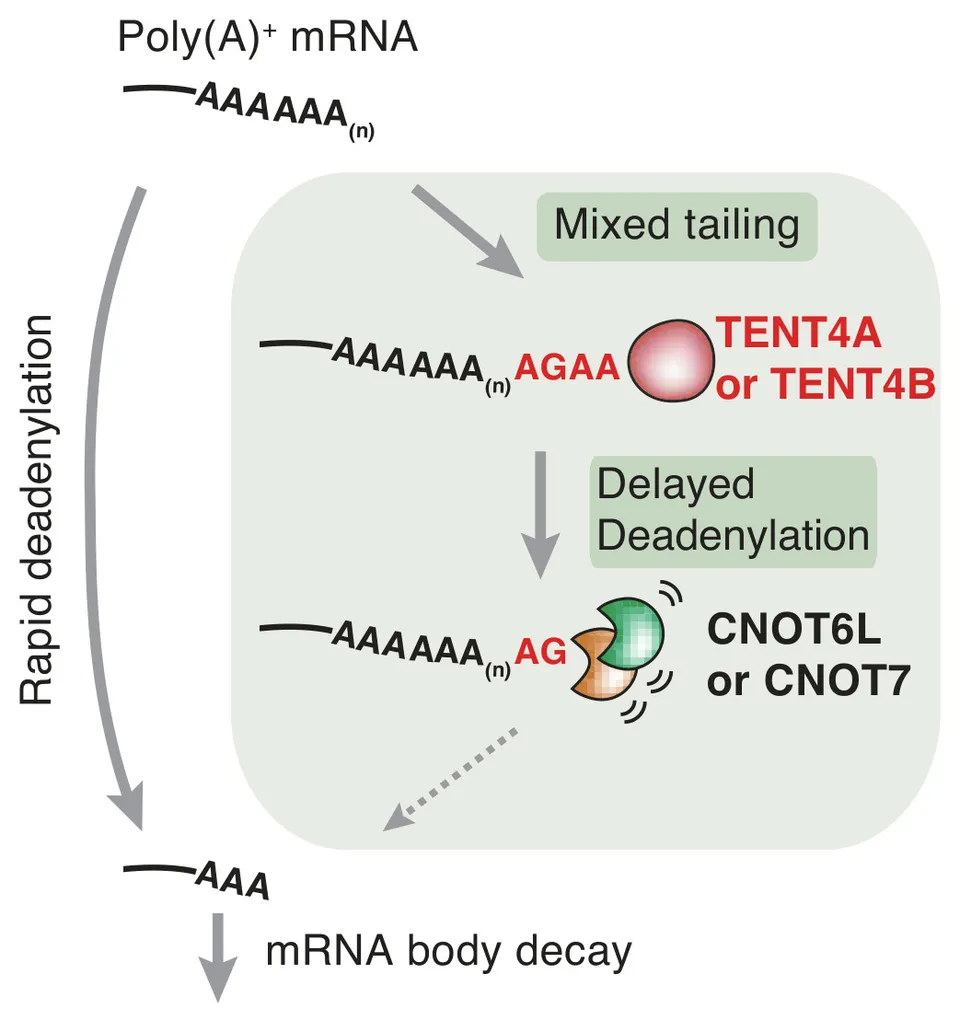
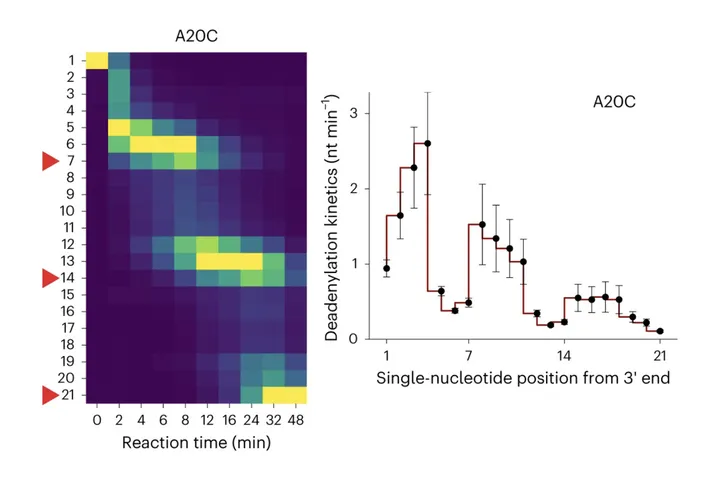
RNA tails play key roles in RNA function and stability. Building on our discovery of 3′ uridylation and adenylation in microRNAs, we developed TAIL-seq to profile mRNA tails at a genome-wide scale and uncovered noncanonical tailing pathways such as uridylation and mixed tailing. We are dissecting the mechanisms of RNA tail modification to understand how they stabilize mRNAs and how this knowledge can enhance mRNA therapeutics.
Viral Regulatory RNAs and mRNA Therapeutics
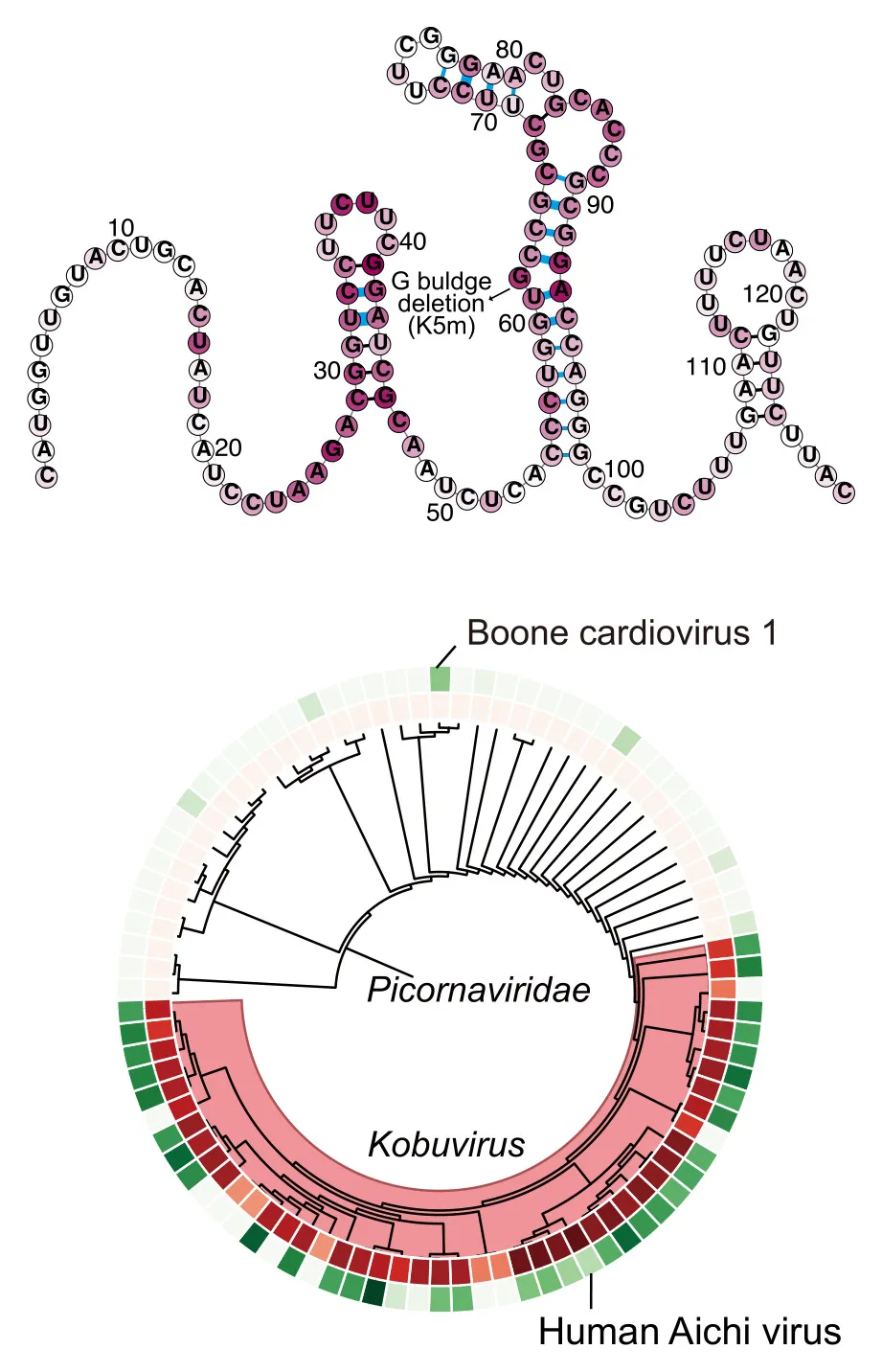
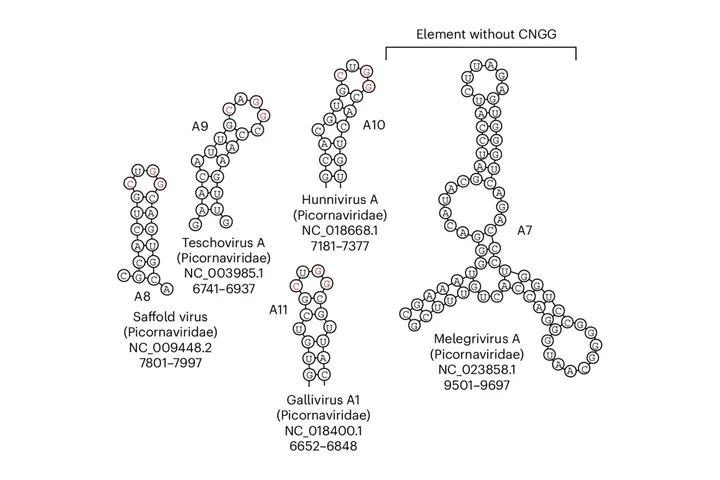
Viruses encode powerful RNA elements that modulate translation and RNA stability. Using high-throughput, sequencing-based screens across thousands of viral genomes, we identify viral RNAs with potent regulatory activities and investigate how they remodel host pathways. These studies reveal new modes of RNA regulation and offer design principles for RNA therapeutics and vaccines.
Cellular Regulation of Exogenous RNAs
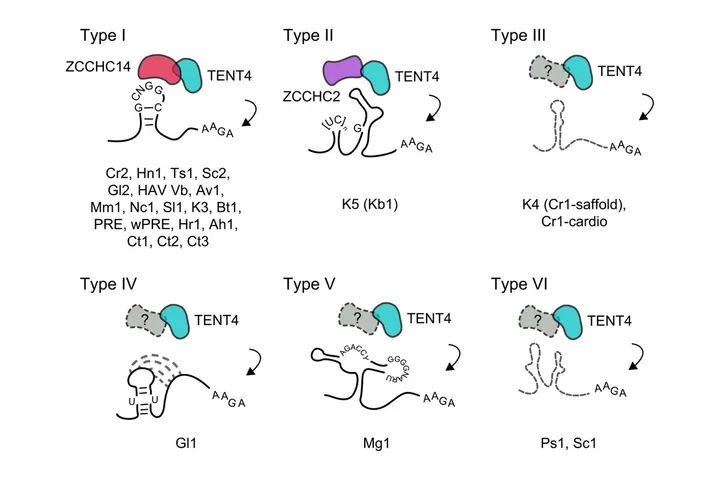
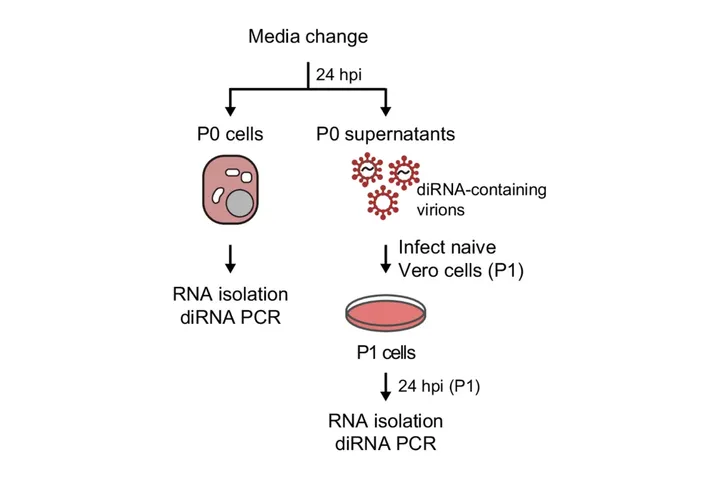
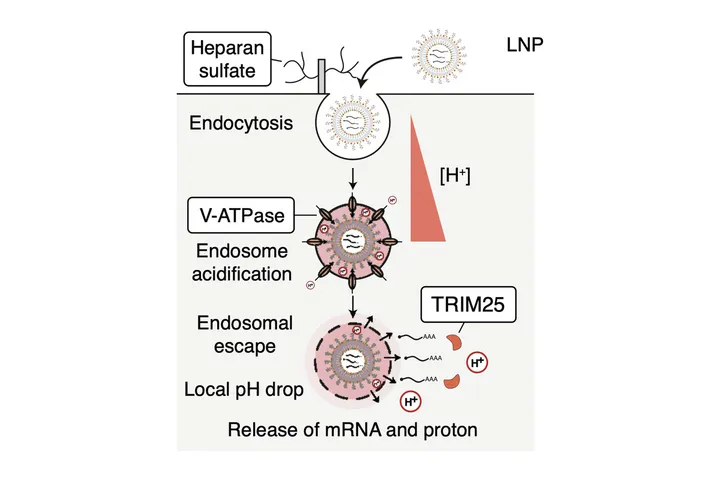
Cells mount distinct responses to foreign RNAs—including viral RNAs and therapeutic mRNAs. We examine how cells recognize, modify, defend against, or cooperate with exogenous RNAs at the molecular level. This work provides a framework for improving the stability, translation, and safety of therapeutic mRNAs.
Recent papers
microRNA Biogenesis and Function
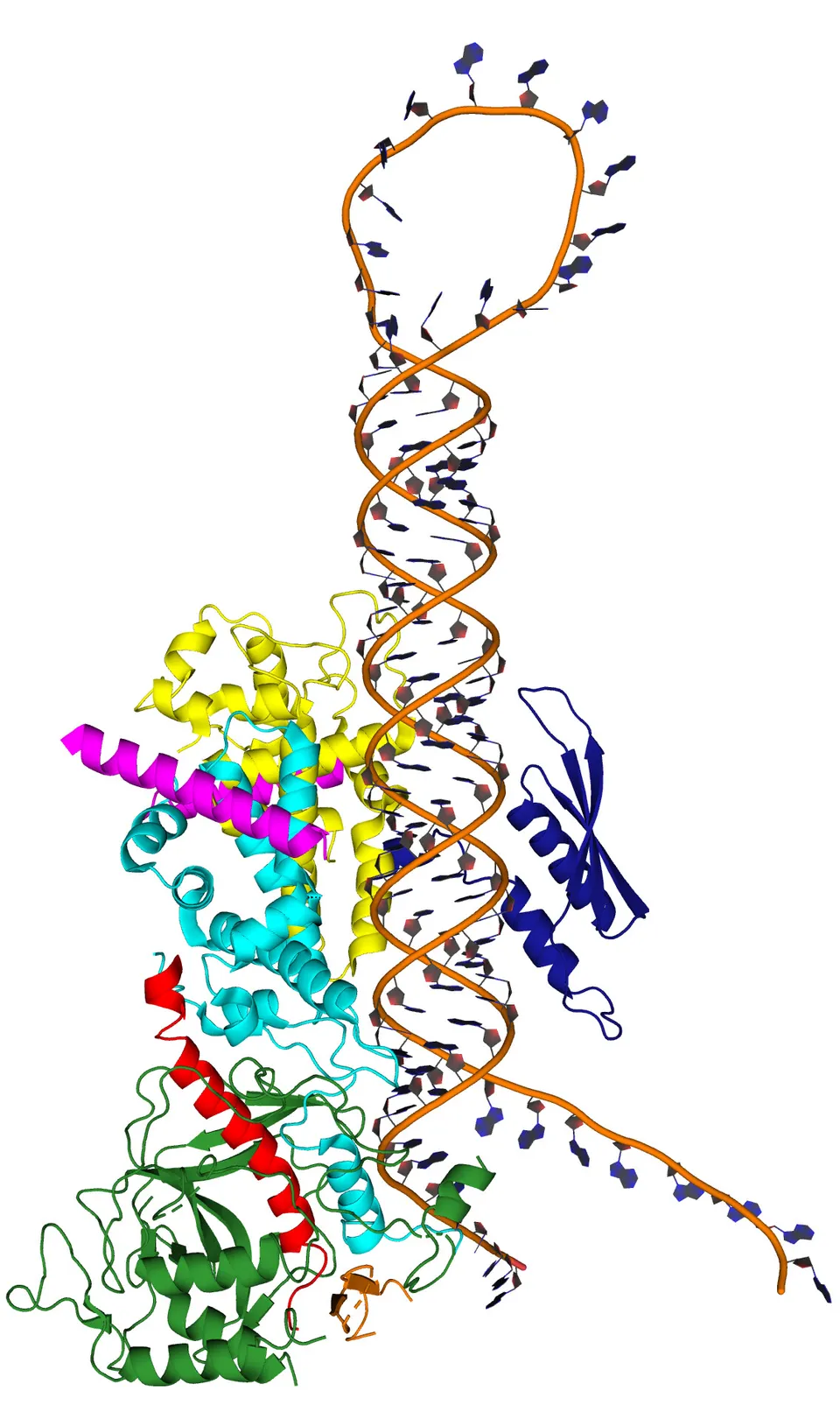
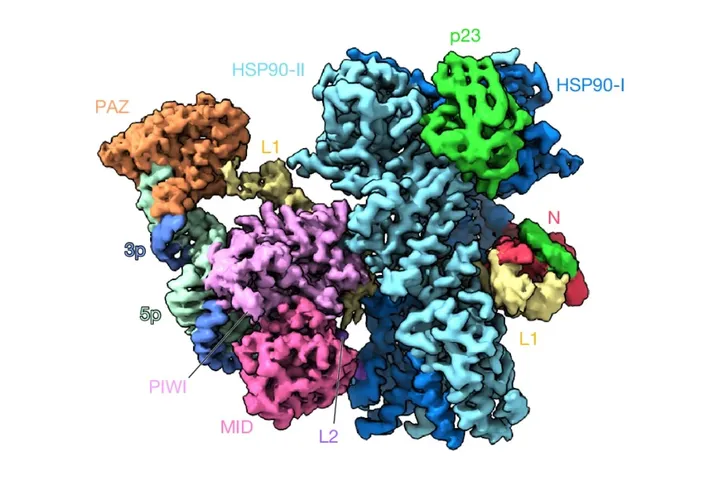
microRNAs are essential regulators of development, physiology, and disease. Our lab has elucidated key steps in microRNA biogenesis by identifying core factors such as DROSHA, DGCR8, LIN28, and TUTases, and by determining their structures. We continue to investigate how microRNAs are produced and regulated.